The problem
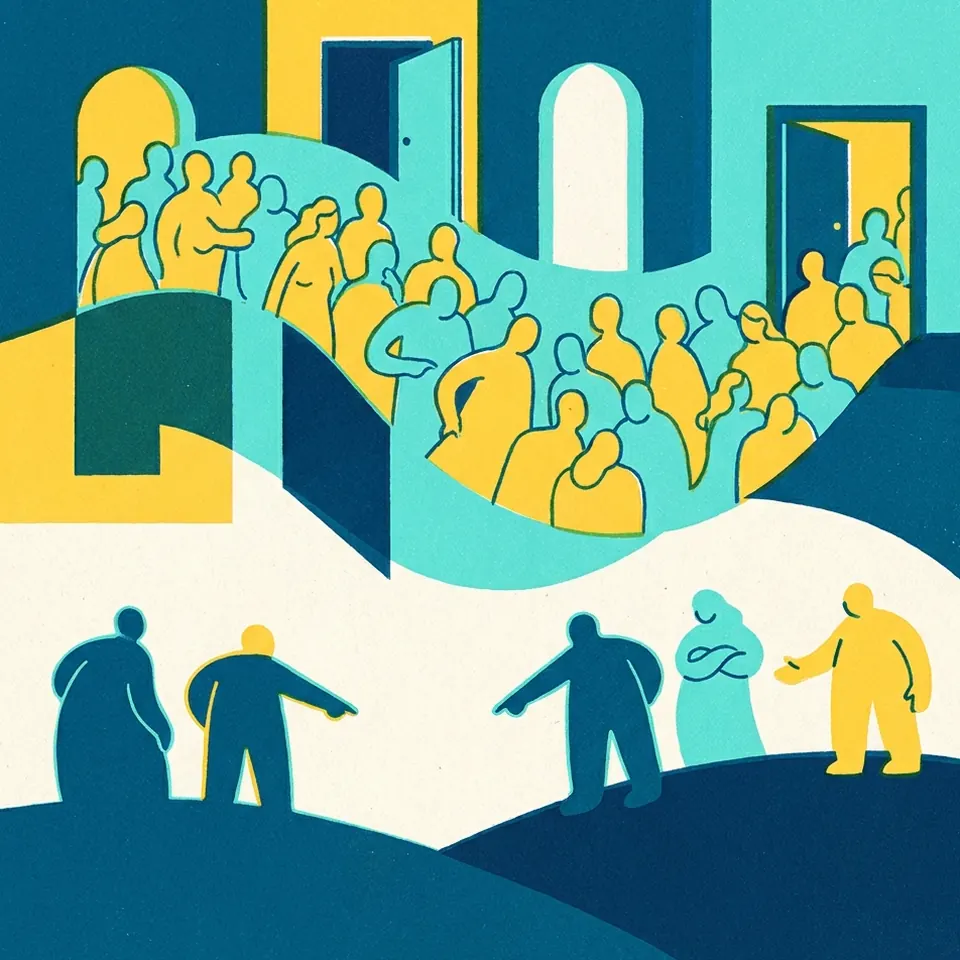
Nonprofits and NGOs often have a small staff and a long list of people who need support. When the team tries to help everyone directly, their days fill up quickly. They spend hours answering questions, sending links and trying to find a time to talk.
Soon, the team hits a limit. They cannot take on more people without working late into the night. The waiting list grows, and people who need help right now have to wait.
How organizations usually handle it
Organisations usually try to solve this with group workshops or shared spreadsheets. Workshops reach many people at once, but they lack personal attention. Spreadsheets turn into a mess of broken links and double bookings, and the team still spends hours fixing mistakes.
How mentoring solves it
Mentoring means an experienced person meets someone regularly to listen, answer questions and guide them. For a nonprofit, this changes everything. Instead of the staff doing all the advising, experienced volunteers take on the work. The team steps back to run the program.
When volunteers handle the meetings, the organisation can support hundreds of people. The limit is no longer how many hours the staff has, but how many mentors they can invite. The team just needs a way to let them meet without getting in the middle.
How it works on Mentornity
Mentors open their hours
Mentors set the hours they are free to help. These hours repeat every week until the mentor changes them.
People book themselves
People browse mentor profiles and pick a slot. Both sides get a calendar invitation with a video link, and everyone sees times in their own time zone.
Reminders happen on their own
The evening before, everyone gets a summary of the next day's meetings. After the meeting, a reminder asks them to leave feedback.
A clear view for the team
The dashboard lists exactly what needs attention, like new applications or unscheduled meetings. Mentornity AI answers questions about the program and drafts emails the team approves before they are sent.
 Susan Whitfield Mentor
What you can measure
Your team sees every booked and completed meeting in one list.
You see goals scored at the start, the middle and the end of the program.
Reports show progress with medians and ranges, ready for Excel and PDF export.
Questions
Do people need to remember a password?
No. Everyone signs in with a secure email link, so no one forgets a password or needs help logging in.
Can one mentor be booked by too many people?
A weekly meeting limit per person keeps a few people from taking all of a popular mentor's time. This shares mentor time fairly.
Can a local branch run its own program?
Yes. One organisation can run several programs. You can set custom admin roles so a branch only sees and runs its own program.